
We live in a world dominated by Oil and Gas mogulls. We need a new energy paradigm as people become conscious of the damages inflicted by the burning of oil. The unsustainabiliy of the methods of extraction also makes it worse .
That’s where Fuel Future steps in. We will track down the solutions to this problematic for you and us as well as for our descendants.
Here are our takes on:
Windpower
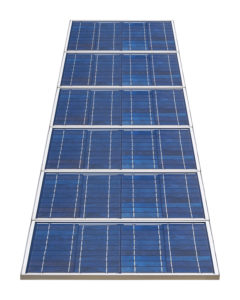
Solar Power
Geothermal Energy
Enjoy.


Fuel Future on windpower
Advantages of Wind Energy
Clean and Renewable
- Wind energy is a clean source of electricity, producing no greenhouse gas emissions during operation.
- It is renewable, meaning it can be harnessed continuously without depleting resources.
Cost-Effective
- The cost of wind energy has been decreasing, making it one of the most affordable energy sources available.
- Wind turbines can generate significant amounts of electricity, often enough to power homes efficiently.
Job Creation
- The wind industry supports nearly 150,000 jobs in the U.S., with potential for growth as demand increases.
Land Use
- Wind farms require relatively little land for the turbines themselves, allowing for other uses like agriculture on the remaining land.
Disadvantages of Wind Energy
Intermittent Energy Source
- Wind energy production is variable and depends on wind availability, which can lead to inconsistent electricity generation.
Environmental Impact
- Wind turbines can pose risks to wildlife, particularly birds and bats, if not designed and placed carefully.
Noise and Aesthetics
- Turbines can be noisy and may not be visually appealing to some communities, leading to opposition against wind farm installations.
Initial Costs
- The upfront costs for installing wind turbines can be high, although they are offset by long-term savings on energy bills.
Fuel Future on Solar Power
Advantages of Solar Power
Renewable Energy Source
- Solar energy is abundant and inexhaustible, making it a sustainable option for electricity generation.
Environmental Benefits
- Produces no air or water pollution and minimal greenhouse gas emissions during operation.
- Reduces reliance on fossil fuels, helping combat climate change.
Cost Savings
- Can significantly lower electricity bills by reducing dependence on the grid.
- Many homeowners save around $1,500 annually with solar panels.
Low Maintenance
- Solar panels require minimal upkeep, with no moving parts leading to fewer failures.
- Rain can naturally clean panels, though occasional maintenance may be needed.
Energy Independence
- Increases energy security for homeowners and nations by reducing reliance on imported fuels.
Disadvantages of Solar Power
Intermittency
- Solar energy generation is dependent on sunlight, making it less reliable during cloudy days or at night.
High Initial Costs
- The upfront investment for solar panel installation can be significant, though incentives may help.
Space Requirements
- Large solar farms require substantial land, which can lead to habitat loss or land degradation.
Resource Limitations
- Some solar technologies depend on rare materials, which may become scarce.
Aesthetic Concerns
- Solar panels may not appeal to everyone visually, potentially affecting property aesthetics.
Fuel Future on Geothermal power
Advantages of Geothermal Energy
Renewable and Sustainable
- Geothermal energy is a renewable resource, relying on the Earth’s internal heat, which is inexhaustible on a human timescale.
Low Emissions
- It produces very low pollution, emitting 97% less sulfur compounds and nearly 99% less carbon dioxide compared to fossil fuels.
Reliable Energy Source
- Geothermal energy provides a consistent and stable source of electricity, unlike solar and wind energy, which depend on weather conditions.
Small Land Footprint
- Geothermal power plants require less land compared to other energy sources, making them less intrusive.
Long Lifespan and Low Maintenance
- Geothermal systems can last over 50 years with minimal maintenance, significantly reducing long-term costs.
Versatile Applications
- Besides electricity generation, geothermal energy can be used for heating and cooling buildings.
Disadvantages of Geothermal Energy
High Initial Costs
- The upfront costs for geothermal systems can be significant, which may deter some homeowners.
Location-Specific
- Geothermal energy is highly dependent on geographical location; not all areas have suitable geothermal resources.
Environmental Concerns
- Drilling for geothermal energy can lead to environmental contamination and may cause small earthquakes in some cases.
Limited Scalability
- The potential for geothermal energy expansion is limited compared to other renewable sources like solar and wind.
Noise and Visual Impact
- Geothermal plants can produce noise and may alter the visual landscape, which can be a concern for nearby residents.